Polygraph testing, commonly referred to as a lie detector test, has been used as a method for detecting deception for nearly a century. The test measures physiological responses to questions, which may indicate whether a person is telling the truth or attempting to deceive. Despite ongoing debates about its accuracy and reliability, polygraph testing remains a widely used tool in various sectors, including law enforcement, criminal investigations, and private industry. In Georgia (GA), the use of lie detector tests is prevalent, with licensed professionals and agencies offering services for both private and public needs. This article explores how lie detector tests work, their applications, the legal framework surrounding their use in Georgia, and the services available to those seeking polygraph testing.
How Lie Detector Tests Work
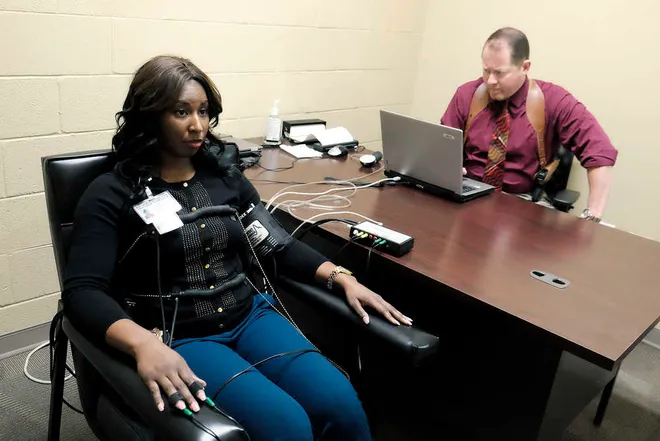
At its core, a polygraph test measures and records a person’s physiological responses as they answer a series of questions. The test tracks signals such as heart rate, blood pressure, respiration, and skin conductivity, which often change when a person attempts deception. Lie detector in GA testing works on the theory that lying creates stress, and this stress produces measurable physiological reactions that the polygraph machine detects. Examiners structure the test using both control questions, which establish a normal baseline response, and relevant questions, which directly relate to the matter under investigation.
The examiner analyzes the subject’s physiological responses to determine whether their reactions to relevant questions deviate significantly from those to control questions. If there are strong indications of physiological arousal during relevant questions but not during control questions, the examiner may conclude that the subject is being deceptive. However, the interpretation of the results requires considerable expertise, as there can be many reasons for elevated physiological responses other than lying, such as anxiety, fear, or confusion.
The effectiveness of the polygraph test depends heavily on the skill of the examiner, the environment in which the test is conducted, and the specific protocols used. This is why trained and licensed professionals are crucial to ensuring that polygraph tests yield accurate and reliable results.
Applications of Lie Detector Tests in Georgia
Polygraph tests in Georgia are utilized for various purposes, ranging from criminal investigations to private matters like resolving personal disputes. Law enforcement agencies in the state regularly use polygraph testing as a tool for investigating crimes, screening job applicants for sensitive positions, and verifying statements in criminal cases. While polygraph results are generally inadmissible in court, they can still be a powerful investigative tool, helping authorities to focus their investigations and corroborate statements.
In the private sector, employers often use polygraph tests during pre-employment screenings, especially for positions that require a high level of security, such as roles in law enforcement, government agencies, and private security firms. Employers in Georgia use lie detector in GA tests to verify the honesty of potential employees and confirm that they do not have a history of theft, substance abuse, or other behaviors that could compromise the company’s integrity.
Additionally, private individuals may seek polygraph services in Georgia for personal reasons, such as resolving relationship disputes or verifying suspicions in cases of infidelity or theft within families. Polygraph tests can provide a sense of closure or help resolve conflicts in situations where trust has been eroded.
The Legal Framework for Polygraph Testing in Georgia
Federal and state laws govern the use of polygraph tests and define the conditions under which professionals may administer them. At the federal level, the Employee Polygraph Protection Act (EPPA) of 1988 restricts polygraph use in employment settings. The law prohibits most private employers from using polygraph tests for pre-employment screening or during active employment. However, the EPPA allows limited exceptions, such as during the hiring process for security firms or government contractors who handle sensitive information.
In Georgia, authorities permit the use of lie detector tests only under strict guidelines. State law requires polygraph examiners to hold proper licenses and complete professional training to ensure controlled and ethical test administration. The Georgia Polygraph Examiners Act regulates examiner certification and operational standards, covering qualifications, testing procedures, and ethical responsibilities. Only examiners who complete extensive training and certification may legally conduct polygraph tests in Georgia, which helps maintain the integrity of test results.
Georgia law also requires individuals to provide written consent before undergoing a polygraph test. This requirement ensures that participants understand the process and participate voluntarily. Although investigators may use polygraph results during investigations, Georgia courts generally do not admit them as evidence. Courts often question their reliability due to possible errors, misinterpretation, or attempts to manipulate test outcomes.
Choosing a Polygraph Examiner in Georgia
If you are considering using a lie detector test in Georgia, it is essential to choose a licensed and experienced polygraph examiner. Not all examiners have the same level of training or expertise, and the accuracy of the test results can be highly dependent on the skills of the examiner. The Georgia Polygraph Association (GPA) offers a directory of certified examiners who meet the state’s rigorous licensing requirements, ensuring that you select a professional with the proper credentials.
When choosing an examiner, consider their area of specialization carefully. Some polygraph examiners focus on law enforcement investigations, while others handle private sector or personal cases. Selecting an examiner with experience in the specific type of test you need—such as a pre-employment screening, criminal investigation, or personal matter—ensures more reliable results.
Ask the examiner about their testing protocols, including how they prepare individuals for the test and the types of questions they use. A reputable examiner explains the entire process clearly and helps the person being tested understand how the test works and what to expect.
Accuracy and Limitations of Polygraph Testing
Although lie detector tests can serve as a useful tool, they do not guarantee perfect accuracy. Experts have debated the reliability of polygraph tests for decades. Supporters state that trained professionals can achieve accuracy rates between 80% and 90% when they apply validated testing techniques. However, critics point out that many factors can influence results, including a subject’s emotional condition, medical issues, and the overall testing environment.
In certain situations, individuals can attempt to manipulate the test by controlling their physiological responses. At the same time, truthful but anxious individuals may display stress reactions that resemble deception, which can produce false-positive outcomes. Because of these limitations, investigators should use polygraph results as part of a broader investigative process rather than relying on them as standalone evidence.
Conclusion
Lie detector tests in Georgia, also known as polygraph examinations, serve as a widely used tool across multiple settings, including criminal investigations and pre-employment screenings. Although debates continue about their accuracy, professionals still rely on polygraph tests to help uncover the truth and verify statements. In Georgia, state regulations ensure that licensed and trained professionals conduct polygraph testing while following strict ethical standards. Both private individuals and public agencies use lie detector tests in Georgia as an effective method of truth verification when experienced examiners administer them properly. However, anyone considering a polygraph test should understand both its strengths and limitations before using it for an investigation or personal matter.
Latest Blogs:
| Rodent Control Delta |
| Manchester United Soccer Match |
| Vinyl Flooring Guide |
| Scrap a Car in Sweden |
| Game Server Selection |