There is a particular kind of purchasing hesitation that furniture and home goods buyers experience that almost no other product category creates quite so intensely. The item costs more than an impulse purchase justifies. It will live in their home for years, possibly decades. It needs to work with things they already own, fit a space they are trying to imagine, and feel right in a way that is genuinely difficult to assess from a screen. And unlike clothing, the item cannot be returned easily if it arrives and the scale is wrong or the color reads differently in their actual light than it did on a monitor.
That hesitation is the central challenge of selling furniture and home goods online and every element of how a brand presents itself either reduces it or compounds it. The brands that consistently convert browsers into buyers in this category are not necessarily the ones with the most beautiful products. They are the ones who have understood that the buying decision requires a particular kind of reassurance that most websites in the category completely fail to provide. Enter Pro has been useful for furniture and home goods brands building this kind of considered online presence, and getting the structural foundation in place has become faster with an AI website generator that handles the initial architecture, so brand attention goes into the details that actually move hesitant buyers toward a decision.
The Scale and Context Problem That Kills Online Furniture Sales
Ask anyone who has bought furniture online and been disappointed what went wrong and the answer is almost always some version of the same thing. It looked different in person. The scale was not what I expected. The color was nothing like the photo. The texture felt cheap compared to how it looked on screen.
These are not failures of product quality in most cases. They are failures of product communication. The buyer did not have enough information to make an accurate judgment before purchasing and the gap between their expectation and reality caused a return, a complaint, or simply a lingering dissatisfaction that prevented them from buying from that brand again.
The brands that solve this problem consistently are the ones that treat scale and context communication as a core product page responsibility rather than an optional enhancement. Dimensions displayed visually alongside familiar reference objects rather than just listed in a spec table. Room setting photography shows the piece in a realistically proportioned space rather than a styled set that makes everything look larger and more dramatic than it is. Customer photos from real homes that show how the piece actually integrates with real furniture, real walls, and real proportions.
Telling a Materials Story That Justifies the Investment
Furniture and home goods at any price point above the mass market entry level are selling something beyond function. They sell materiality, the particular quality of solid oak versus veneer, of hand-thrown ceramic versus slip-cast production, of linen that softens with washing versus polyester that pills and flattens. These differences matter enormously to buyers making considered purchases and they are almost universally undercommunicated on product pages.
A buyer spending a significant sum on a dining table wants to know about the timber. Where it was sourced. How it was dried and finished. What the grain characteristics mean for how the table will age. Whether the joinery is structural or decorative. How to care for it over years of use. This information does not just answer practical questions. It builds the kind of emotional investment in a purchase that prevents buyer’s remorse and generates the word of mouth that brings the next customer.
The brands that tell these materials story well on their website consistently command higher prices and generate fewer returns than those that treat product information as a regulatory obligation rather than a sales tool.
Choosing an Ecommerce Platform for High-Value Home Goods
High-value home goods ecommerce has requirements that standard platform comparisons often address inadequately. The ability to display multiple finish or fabric options without creating separate product listings for every variant. Room visualizer integrations that let buyers see how a piece looks in their own space. Deposit and staged payment options for made-to-order pieces. White glove delivery coordination that needs to be communicated clearly before checkout rather than discovered afterward. These are not edge case features for a furniture brand. They are core to whether the purchasing experience feels appropriate to the price point.
Before committing to any platform, going through a thorough comparison of the best ecommerce website builder options with high-value home goods specifically in mind reveals which platforms handle variant complexity, payment flexibility, and the kind of rich product storytelling that considered purchases require. The platform built for fast-moving consumer goods at low price points is structurally different from what a furniture brand selling considered, high-value pieces actually needs, and choosing without making that distinction costs real conversion rate.
The Room Setting as the Real Product Page
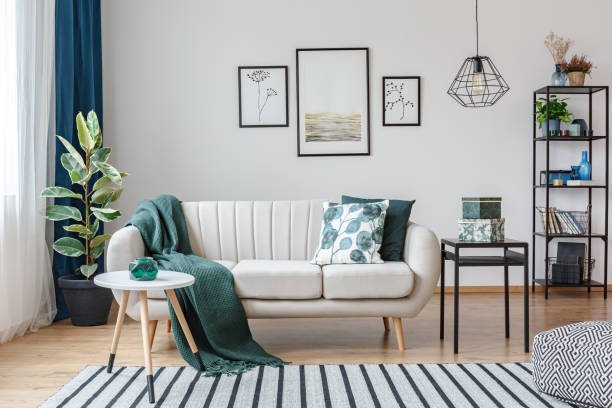
In physical furniture retail, the showroom does the majority of the selling work. Seeing a sofa in a room, understanding how it relates to a rug and a coffee table and a light source, feeling the cushions and sitting in it, these are the experiences that convert a browser into a buyer. Online furniture retail has to find ways to approximate that experience through content and the brands that do it best treat room setting photography not as a styling exercise but as the primary sales tool it actually is.
A product page that leads with isolated product photography and treats lifestyle imagery as a secondary gallery is organizing its content in the opposite order to how most furniture buyers actually make decisions. They start by imagining how something will look in a room. They move to the product details once that imagination has been satisfied enough to keep them interested. Reversing the typical product page hierarchy to reflect this actual decision sequence changes how long buyers stay on a page and how often they add something to a cart.
Enter Pro gives home goods brands enough layout flexibility to build product pages that reflect the actual buyer decision journey rather than defaulting to the standard ecommerce product page template that was designed for categories where this psychology does not apply.
Sustainability as a Story Not a Certification
The home goods category has seen a significant and genuinely meaningful shift toward sustainability as a purchasing consideration over the last several years. Buyers at the considered end of the market are increasingly making decisions based on where materials come from, how products are made, what happens to them at the end of their useful life, and whether the brand behind them has a credible commitment to the values it claims.
Most brands in this space handle sustainability either by saying nothing, which leaves environmentally conscious buyers to assume the worst, or by displaying certification logos without any narrative about what they actually mean for how the products are made. The brands that build genuine trust with sustainability-conscious buyers do something different. They tell the actual story of the material sourcing decisions, the production partnerships, the packaging choices, and the trade-offs involved in making something as sustainable as possible without compromising the quality that makes it worth buying in the first place.
That honesty, including the honest acknowledgment of where the brand is still working on improvement, is more persuasive to a sophisticated buyer than any number of certification logos because it sounds like something a real company with real constraints and real values would actually say.
Extending the Brand Relationship Beyond Purchase
Furniture and home goods brands have an unusual relationship with their customers compared to most consumer product categories. The purchase frequency is low but the lifetime of the product in the customer’s home is long. That creates an ongoing relationship opportunity that most brands completely ignore after the delivery confirmation email.
Care guides that help customers maintain their pieces over years. Styling advice that helps them integrate new purchases with existing pieces from the brand. Seasonal content about how to adapt to a home for different times of year. Community content that shows how different customers are living with the same pieces in different ways. These are all touchpoints that keep a brand present in a customer’s life during the long gaps between purchases and that make the brand the natural first consideration when the next purchase decision eventually arises.
An app maker AI tool opens interesting possibilities for home goods brands wanting to create a more integrated post-purchase experience, from digital care guides to room planning tools to loyalty programs that reward the kind of long-term brand relationship that high-value home goods naturally support.
Conclusion
Selling furniture and home goods online requires taking seriously a set of buyer anxieties that most other product categories simply do not generate. The brands that do this well are not just good at ecommerce. They are good at understanding what it feels like to make a significant purchase for a space you love based on a screen and building every part of their online presence around reducing the uncertainty that makes that decision hard. A product worth living with for decades deserves a website that makes choosing it feel like the obvious and confident decision it should be.