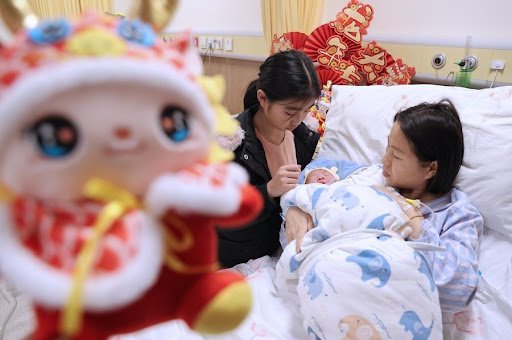
When you imagine giving birth, you often picture familiar surroundings—your language, your customs, your support system close by. But for many foreign families living abroad, pregnancy unfolds far from home. In China, this journey can feel intimidating at first, yet thousands of expat parents discover that with preparation, patience, and the right care, childbirth can become a surprisingly reassuring experience.
For those researching giving birth in China as a foreigner, the process may seem complex. But beneath the unfamiliar systems and cultural differences lies a healthcare structure that is capable, experienced, and deeply invested in maternal and infant wellbeing.
The First Realization: You’re Doing This Abroad
The moment a pregnancy test turns positive, reality sets in. Doctor visits, hospital choices, insurance paperwork—all must now be handled in a country that may not feel fully familiar yet. For many foreign parents in China, the first emotion is uncertainty.
Questions quickly arise:
Will the doctors understand me?
Will my partner be allowed in the delivery room?
Will my baby be safe here?
These concerns are natural. The good news is that China delivers millions of babies every year, and its medical professionals are highly trained in maternity care.
Choosing a Hospital That Feels Right
One of the most important decisions is selecting where to give birth. In China, parents typically choose between public hospitals, private hospitals, or international clinics.
Public hospitals are efficient and affordable, but they can feel overwhelming. Busy corridors, shorter consultations, and limited English support may add stress—especially during such a personal experience.
Private and international hospitals offer a different atmosphere. The environment is calmer, staff speak English, and birth plans are more likely to be respected. While these facilities are more expensive, many foreign parents describe the peace of mind as priceless.
The hospital you choose often shapes how comfortable and supported you feel throughout pregnancy and delivery.
Pregnancy Care: Structured and Thorough
Prenatal care in China is highly systematic. Expect frequent checkups, regular ultrasounds, and comprehensive testing. While this may feel excessive to some foreigners, many parents come to appreciate the close monitoring.
At international hospitals, appointments feel more conversational, with doctors explaining each step and answering questions in detail. In public hospitals, visits are efficient and clinical—but no less thorough.
Over time, what once felt unfamiliar often becomes reassuring: your baby is being watched closely, and nothing is left to chance.
Labor Day: Different, but Not Unsafe
The day labor begins can feel especially emotional when you’re far from home. Cultural differences become more noticeable here.
In public hospitals, medical staff typically take a very structured, doctor-led approach. Pain management options may be limited, and partners are sometimes not allowed into delivery rooms. This can be difficult for foreign parents who expect shared birthing experiences.
Private and international hospitals tend to align more closely with Western expectations. Partners are usually present, pain relief options are available, and medical teams focus on emotional comfort as well as safety.
Regardless of the setting, doctors prioritize one thing above all else: the health of the mother and baby.
The Moment Everything Changes
When your baby finally arrives, something remarkable happens. The unfamiliar environment fades into the background. Whether the room is filled with Mandarin or English, fluorescent lights or soft music, the moment you hear that first cry, nothing else matters.
Many foreign parents later reflect that giving birth abroad made them stronger. Navigating a different system, advocating for themselves, and trusting unfamiliar professionals becomes part of their family’s story.
Recovery and Cultural Care
Postnatal care in China often emphasizes rest and recovery more than in many Western countries. Mothers are usually monitored closely after birth, and hospital stays may be slightly longer.
A traditional practice known as zuo yue zi, or postpartum confinement, is still common. While not all foreign mothers choose to follow it, some adopt parts of the tradition—focusing on rest, warm meals, and healing during the first month.
Postpartum care centers, offering nursing support and infant care, have also become popular among expat families seeking extra help during early recovery.
Paperwork, Passports, and Practicalities
After the emotional whirlwind of birth, practical matters begin. Foreign parents must arrange birth certificates, register the baby, and apply for passports and visas. While this process can feel bureaucratic, hospitals and embassies often provide guidance.
Handling these steps early helps reduce stress and allows parents to focus on bonding with their newborn.
Insurance and Financial Preparation
Maternity care—especially at international hospitals—can be costly. Many expats rely on international health insurance that includes maternity coverage. Understanding waiting periods, coverage limits, and hospital eligibility before pregnancy is essential.
Without insurance, hospitals typically require payment upfront, which can be financially demanding.
Looking Back: A Story Worth Telling
Giving birth in a foreign country is never what most parents initially imagine. Yet many who experience childbirth in China later describe it as empowering. They learn to trust themselves, adapt to new systems, and find comfort in unexpected places.
With the right hospital, proper planning, and emotional openness, giving birth in China as a foreigner can become not just a medical experience—but a meaningful chapter in your family’s story.