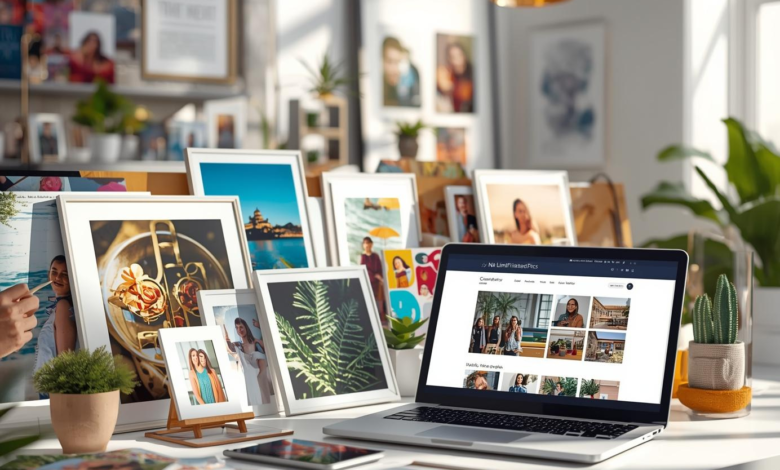
In an era dominated by smartphones, cloud storage, and social media, photographs have become an essential part of daily life. People capture moments constantly, yet most of these images remain locked away on digital devices, rarely revisited. As a result, the desire to convert digital memories into physical keepsakes has grown significantly. Photo printing platforms like NoLimitPrintedPics have stepped in to fill this gap, offering users the ability to turn their favorite images into tangible items such as prints, posters, and customized products.
Among the many platforms discussed online, NoLimitPrintedPics has recently gained attention across search engines, social media platforms, and discussion forums. Its sudden visibility has sparked curiosity, confusion, and debate. Some online sources describe it as a modern photo printing service, while others question its reliability and legitimacy. This article takes a detailed look at NoLimitPrintedPics, examining what it claims to offer, why it is trending, and what users should know before engaging with such a platform.
Understanding the Concept Behind NoLimitPrintedPics and Its Online Identity
What Exactly Is NoLimitPrintedPics?
NoLimitPrintedPics is generally described as an online photo printing platform that focuses on transforming digital images into physical printed products. Based on various online articles and references, the platform appears to emphasize customizable printing options that allow users to personalize their photos according to their preferences. These prints may be intended for personal use, artistic expression, gifting, or even promotional purposes.
The name itself—NoLimitPrintedPics—suggests unlimited creativity and flexibility. This type of branding appeals strongly to modern users who value freedom of expression and personalized experiences. However, despite the appealing name and growing online presence, clear and consistent official information about the company remains limited, which has contributed to both curiosity and skepticism.
How NoLimitPrintedPics Differs from Traditional Photo Printing Services
Traditional photo printing services usually operate through physical retail stores or well-established websites with a long-standing reputation. These platforms often rely on trust built over time through consistent service and customer feedback. NoLimitPrintedPics, on the other hand, appears to rely more heavily on digital visibility and trend-based exposure rather than traditional branding methods.
Instead of widespread advertising campaigns, the platform’s popularity seems to be driven by online mentions, keyword searches, and user discussions. This modern, curiosity-driven rise reflects how digital platforms can gain attention quickly, even without a clearly defined public identity.
Why NoLimitPrintedPics Is Trending Across Search Engines and Social Media
The Role of TikTok and Short-Form Content in Popularity
TikTok has become one of the most powerful drivers of online trends, and NoLimitPrintedPics appears to have benefited from this phenomenon. Short videos mentioning free prints, monthly print limits, or low-cost shipping have sparked interest among viewers. Even brief or vague claims can encourage users to search for more information, especially when the offer seems too good to ignore.
Because TikTok content spreads rapidly, even a small number of videos can result in thousands of searches. This helps explain why NoLimitPrintedPics suddenly began appearing in search results and online discussions.
Instagram Mentions and the Importance of Visual Platforms
Instagram is naturally aligned with photo-related services, making it an ideal platform for photo printing brands. Mentions of NoLimitPrintedPics on Instagram, particularly through art or printing-related accounts, have further contributed to its visibility. Even inactive or limited accounts can still influence search behavior when users encounter the name and seek additional information.
Visual platforms play a critical role in shaping interest, especially when the product involves creativity and personal expression.
Online Forums, Reddit Threads, and Mixed User Discussions
Beyond mainstream social media platforms, NoLimitPrintedPics has been discussed in online forums and Reddit communities. These discussions often include questions about the platform’s legitimacy, website availability, and overall trustworthiness. Some users express curiosity, while others urge caution.
Such mixed discussions tend to amplify interest rather than reduce it. When users see conflicting opinions, they are more likely to search for answers, further increasing the platform’s visibility.
Features and Services Commonly Associated with NoLimitPrintedPics
Customizable Photo Printing and Creative Possibilities
Customization is one of the most attractive aspects of modern photo printing services, and NoLimitPrintedPics is often associated with this feature. Users today expect more than standard photo prints; they want creative control, personalization, and unique designs that reflect their individual style.
Potential customization options may include photo sizing, layout adjustments, artistic filters, and themed designs. These features appeal to users who want their printed photos to feel meaningful rather than generic.
Affordable Pricing and Promotional Messaging
Another frequently mentioned aspect of NoLimitPrintedPics is affordability. Some online content references promotional offers such as free prints with shipping costs. While such claims are appealing, they also raise questions about sustainability and transparency.
Affordable pricing can attract a large audience quickly, but it must be supported by clear policies and reliable service to maintain trust over time.
Convenience and Ease of Use
Online printing platforms succeed when they offer simplicity. NoLimitPrintedPics is often described as easy to access and user-friendly, requiring minimal steps to upload photos and place orders. This convenience aligns with the expectations of digital-first users who value speed and efficiency.
Website Availability, Domain Information, and Digital Footprint
Official Website Presence and Accessibility Concerns
The domain nolimitprintedpics.com has appeared in domain lookup tools and website analysis platforms. However, multiple users have reported periods when the website is unavailable or inaccessible. Inconsistent availability can discourage potential customers and raise concerns about reliability.
A stable website is a foundational requirement for any online service, especially one that involves payments and personal content.
Third-Party Articles and Informational Coverage
Several third-party websites and blogs have published articles discussing NoLimitPrintedPics. These articles often attempt to explain what the platform is, why it is trending, and what it may offer. However, most of this information appears to be based on online observation rather than direct confirmation from the company.
This reliance on secondary sources contributes to uncertainty.
Potential Benefits of Using a Platform Like NoLimitPrintedPics
Encouraging Creative Expression
For users who enjoy creativity, photo printing platforms provide an opportunity to turn digital moments into physical art. Personalized prints can serve as décor, gifts, or personal keepsakes that carry emotional value.
Convenience for Modern Digital Users
The ability to order prints online without visiting a store is a major advantage. Digital convenience allows users to manage everything from their devices, making the process faster and more accessible.
Appeal to Content Creators and Artists
Artists, influencers, and creators often need printing services for merchandise or branding. A platform that supports customization and affordability could attract this audience if properly developed.
Concerns, Risks, and the Importance of User Caution
Limited Transparency and Business Information
One of the most significant concerns surrounding NoLimitPrintedPics is the lack of easily accessible official information. Details such as company ownership, customer support channels, and clear policies are essential for building trust.
Website Reliability and Service Consistency
Inconsistent website availability raises questions about long-term service reliability. Users often associate website downtime with operational issues.
Mixed Online Opinions and Warnings
While some users express interest, others recommend caution. Such mixed feedback suggests that users should research thoroughly before engaging.
Conclusion
NoLimitPrintedPics has emerged as a trending name in the online photo printing space, driven largely by social media exposure, curiosity-based searches, and digital conversations. While it is often described as a customizable photo printing platform, the lack of transparency and inconsistent online presence remain notable concerns.
For users, NoLimitPrintedPics serves as a reminder of how quickly platforms can gain attention in the digital age—and how important it is to approach emerging services with informed caution. Whether it evolves into a trusted printing service or remains an online curiosity will depend on how it addresses trust, transparency, and reliability in the future.
FAQs
What is NoLimitPrintedPics, and what does it offer?
NoLimitPrintedPics is commonly described as an online photo printing platform that allows users to transform digital images into physical prints. The platform is often associated with customizable photo products such as prints, posters, and personalized designs, aiming to provide creative freedom and convenience for users who want to preserve their memories in tangible form.
Why is NoLimitPrintedPics trending online?
NoLimitPrintedPics is trending mainly due to increased mentions on social media platforms like TikTok and Instagram, as well as curiosity-driven searches on search engines. Short promotional videos, online discussions, and limited available information have encouraged users to look up the platform, contributing to its growing online visibility.
Is NoLimitPrintedPics a legitimate and safe platform to use?
The legitimacy of NoLimitPrintedPics is still unclear due to limited official information, inconsistent website availability, and a lack of verified customer reviews. Users are advised to conduct thorough research, avoid sharing sensitive personal data, and use secure payment methods if they choose to explore the platform.
What are the main concerns associated with NoLimitPrintedPics?
The primary concerns include inconsistent website accessibility, limited transparency regarding business details, and mixed opinions shared across online forums. These factors can affect user trust and highlight the importance of caution when engaging with newer or less-established online services.
How does NoLimitPrintedPics compare to established photo printing services?
Compared to well-known photo printing platforms, NoLimitPrintedPics appears to rely more on online buzz and curiosity rather than established credibility. Established services typically offer stable websites, clear pricing, verified reviews, and strong customer support, while NoLimitPrintedPics is still in an emerging and uncertain stage.
Latest Blogs:
| Microsoft 365 Copilot ROI |
| Product Photography Studio |
| Online Gaming Evolution |
| Digital Presence Optimization |
| Lighting Furniture Trends |